







Search Results for: grind size water temperature ratio
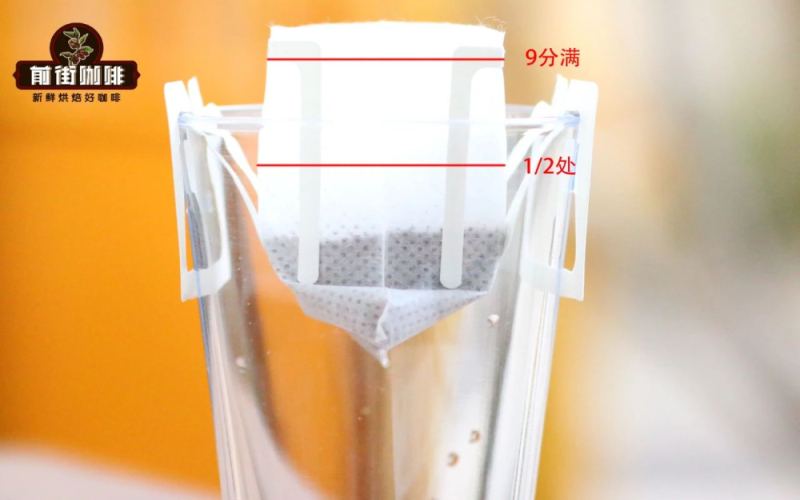
Three Keys to Better-Tasting Drip Coffee: A Practical Guide to Grind Size, Water Temperature, and Coffee-to-Water Ratio
Pour-over drip bag coffee brewing may seem simple, but if you want to brew an ideal cup, you cannot overlook three details: grind size, coffee-to-water ratio, and water temperature. This article explains, one by one, how each step—from pouring method and grind selection to ratio control and temperature management—affects the final taste, and provides specific product examples from Front Street Coffee's drip bags to help you avoid common pitfalls and consistently brew a delicious cup of drip bag coffee at home. [more…]
Brewing Front Street Golden Mandheling Coffee with a V60 Dripper: Adjustment Tips for Grind Size, Water Temperature, and Coffee-to-Water Ratio
Many coffee enthusiasts, after purchasing Front Street PWN Golden Mandheling coffee beans, find that when they brew at home according to the parameters on the packaging, the taste differs from that in the store. This is actually closely related to the type of dripper—Front Street's store uses the Kono Meimon dripper, while most enthusiasts have a V60 dripper at home. The two drippers differ significantly in flow rate and extraction method, so the same set of parameters cannot simply be applied to both. This article will explain in detail how to adjust the grind size, coffee-to-water ratio, and brewing water temperature according to the characteristics of the V60 dripper, so that you can brew a rich and full-bodied Golden Mandheling at home. At the same time, the article also introduces the method for measuring the 0.85mm sieve passing rate, as well as Front Street's grind size recommendations for different brewing methods, helping you grasp the extraction variables more precisely. [more…]
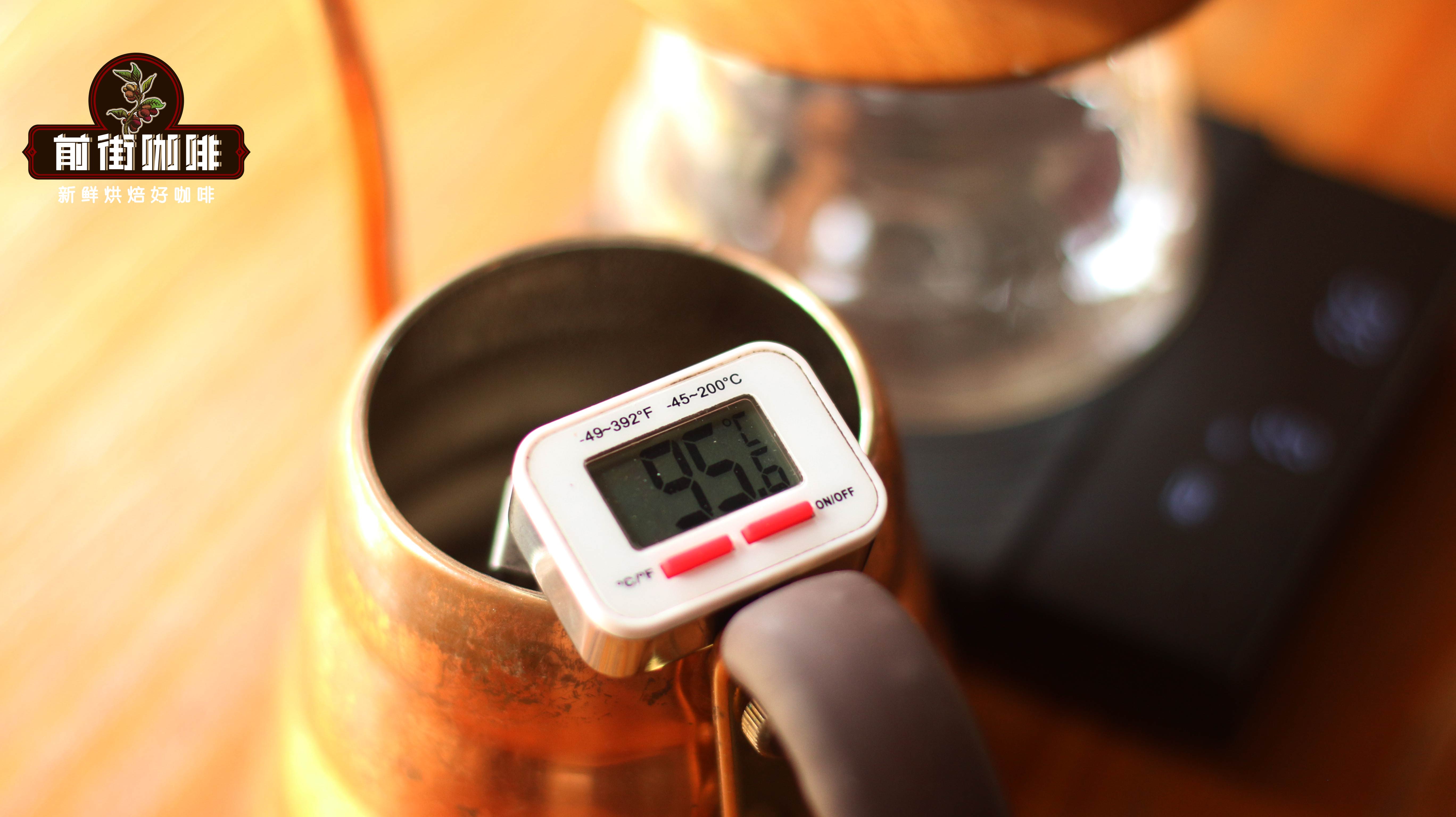
Master Freshness, Grind Size, Water Temperature, and Coffee-to-Water Ratio: Brewing Pour-Over Coffee from Four Major Regions—Yirgacheffe, Mandheling, Kenya, and Brazil
Yirgacheffe, Mandheling, Kenya, and Brazil are the four major coffee regions most familiar to coffee enthusiasts, and each has its own distinctive brewing approach. In this article, Front Street Coffee will explain the four key elements of pour-over brewing—freshness, grind size, water temperature, and coffee-to-water ratio—and provide specific brewing parameters and techniques for a representative bean from each of the four regions. The article will also cover the principles of bean resting and degassing, how to calibrate grind size using a standard sieve, and the taste differences brought about by different coffee-to-water ratios under the SCA Golden Cup extraction theory, helping you brew these four common single-origin coffees to taste even better. [more…]
A Complete Guide to Pour-Over Coffee: A Practical Analysis of Grind Size, Pouring Technique, Coffee-to-Water Ratio, and Water Temperature
Many coffee enthusiasts buy beans to take home after enjoying a satisfying cup at a café, only to find that their own brews always seem to fall a bit short. To address this common frustration, Front Street Coffee has identified the four most error-prone stages: grind size, pouring technique, coffee-to-water ratio, and water temperature. Starting with the shape of the coffee bed after brewing, the article teaches you to judge where the problem lies by examining particle coarseness, muddiness, and drainage speed; it then analyzes the causes of weak or overly sour flavors from the details of pouring; and finally offers practical recommendations on coffee-to-water ratio and water temperature. Whether you are a beginner or looking to refine your technique, this systematic breakdown will help you find the right direction for adjustment. [more…]
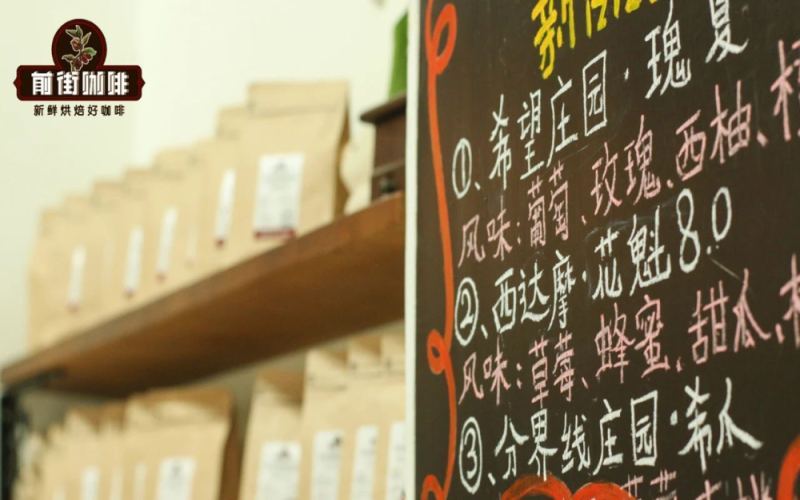
How to brew Front Street PWN Golden Mandheling with a V60? A complete guide to grind size, coffee-to-water ratio, and water temperature adjustments
Many coffee enthusiasts, after purchasing Front Street PWN Golden Mandheling coffee beans, find that when they brew at home according to the parameters on the QR code on the packaging, the flavor differs noticeably from what the café produces. The problem often lies with the dripper—Front Street's café uses the Kono Meimon dripper, while most people use a V60 at home. The flow rate and extraction logic of the two drippers are completely different, so simply applying the same parameters makes it hard to replicate the result. This article will systematically explain how to brew a rich, full-bodied Golden Mandheling with a V60—from grind size calibration, coffee-to-water ratio, and water temperature to the three-pour technique—so that the unique flavor of Indonesia Sumatra's wet-hulled processing method can be consistently presented at home. [more…]
A Complete Analysis of Pour-Over Coffee Parameters: Practical Calculations and Adjustment Approaches for Coffee-to-Water Ratio, Water Temperature, Grind Size, and Pouring Scheme
Getting a coffee brewing recipe doesn't mean you can replicate the same flavor—just like cooking from a recipe, the heat and details often determine success or failure. This article breaks down the role and adjustment logic of each parameter in pour-over coffee, from coffee dose, coffee-to-water ratio, grind size, and water temperature to pouring scheme. Front Street Coffee, drawing on practical experience, shares the commonly used 1:15 ratio, the 86-93℃ water temperature range, and how to flexibly change the number of pouring stages based on extraction time, helping you quickly find the right direction when facing extraction problems. [more…]

The Complete Guide to Clever Coffee Dripper Brewing: How to Master Grind Size, Water Temperature, and Coffee-to-Water Ratio
The Clever Dripper, with its unique piston valve design, combines the immersion advantages of a French press with the filtration function of a pour-over dripper, making it a beloved brewing device for many coffee enthusiasts. By precisely controlling the coffee dose, ratio, grind size, water temperature, and time, you can consistently produce an excellent cup of coffee. Based on the practical experience of Front Street Coffee, this article systematically explains the brewing parameters and operating steps for the Clever Dripper, covering grind recommendations for medium-light and medium-dark roasts, water temperature ranges, coffee-to-water ratio choices, and comparative experimental results on immersion duration. Whether you are a beginner just getting to know the Clever Dripper or an advanced player looking to refine your brewing skills, you will find practical references and clear operating guidance here. [more…]
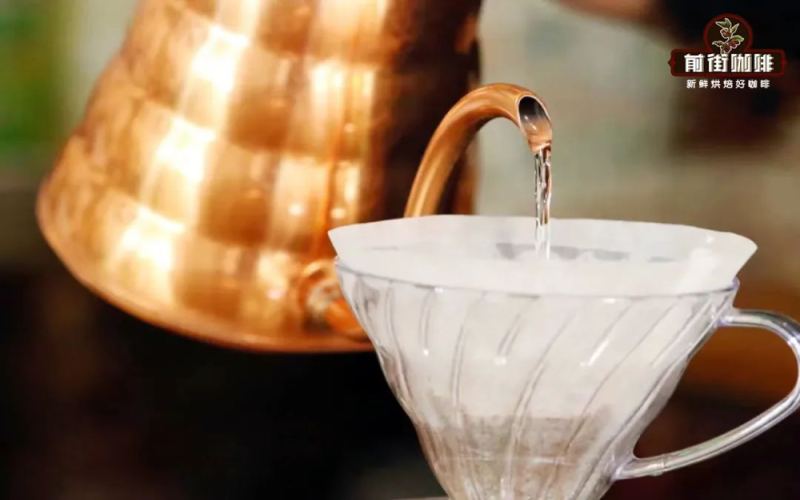
A Complete Analysis of Pour-Over Coffee Parameters: Scientific Adjustment Approaches to Coffee-to-Water Ratio, Grind Size, Water Temperature, and Time
Many coffee enthusiasts make a point of visiting Front Street Coffee, drawn not only by the impressive variety of coffee beans but also by the baristas' brewing skills, which never fail to impress. When it comes to brewing a great cup of coffee, does it ultimately come down to hands-on technique or mental understanding? Front Street Coffee believes that water flow control and pouring are merely the basics. What truly determines the flavor direction is a deep understanding of the four key parameters: grind size, coffee-to-water ratio, water temperature, and time. This article will systematically lay out ways to improve your pour-over skills, from the interconnected relationships between parameters and methods for categorizing coffee bean characteristics to practical tips for keeping brewing records. Whether you are a beginner just getting into pour-over or an experienced brewer looking to break through a plateau, you'll find actionable guidance here. [more…]
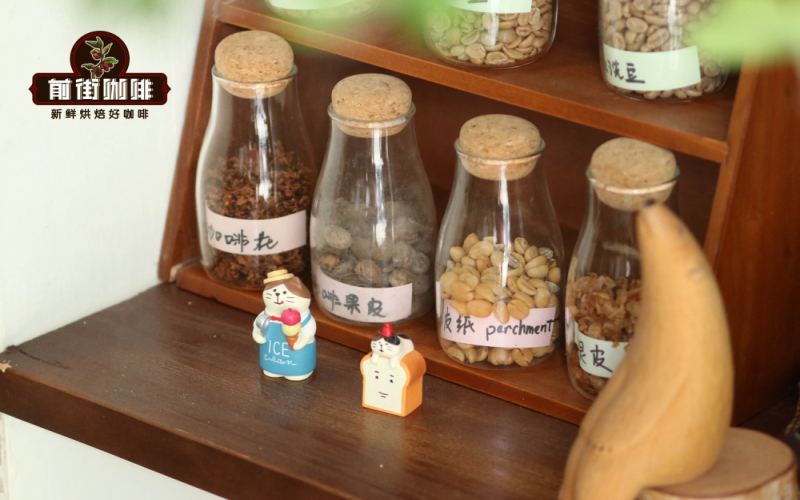
Analysis of the three common mistakes in French press coffee brewing, and how to control grind size, water temperature, and coffee-to-water ratio for the best taste.
The French press is simple to operate and versatile, making it the preferred device for many coffee enthusiasts getting started with specialty coffee. However, precisely because it is so easy to use, it is easy to overlook several key variables during brewing: grind size, water temperature, and coffee-to-water ratio. This article begins with the history and working principles of the French press, outlines three common mistakes in brewing, and, drawing on the practical experience of Front Street Coffee, provides specific parameter recommendations for coffee beans of different roast levels. Finally, using the Huakui coffee bean as an example, it demonstrates a complete French press brewing process, helping readers extract the fullest flavor of the coffee possible while preserving its rich, full-bodied taste. [more…]
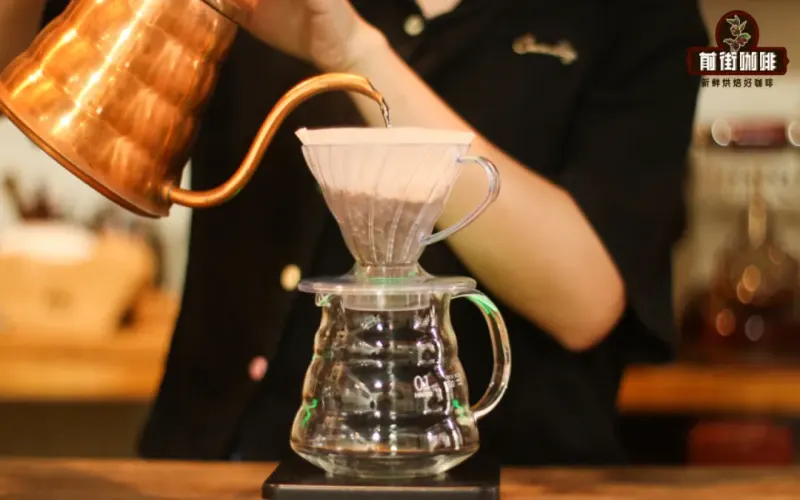
A Complete Guide to Pour-Over Coffee Grind Parameters: Differences in Water Temperature, Coffee-to-Water Ratio, and Grind Size Between Dark and Light Roasts
When brewing pour-over coffee, water temperature, water volume, grind size, and time are the four key factors that determine extraction. Among them, grind size is often the most easily misjudged because it cannot be directly observed—too fine or too coarse will throw the flavor off balance. This article starts with methods for judging grind size, explaining how to calibrate it using a No. 20 sieve, drawdown speed, and taste feedback, and compiles the three grind settings Front Street Coffee uses for light-roasted, anaerobic, and dark-roasted beans, including their respective passing rates through the sieve, water temperatures, and coffee-to-water ratios, while also offering grind adjustment advice for iced pour-over, helping enthusiasts build a stable, reusable brewing framework. [more…]
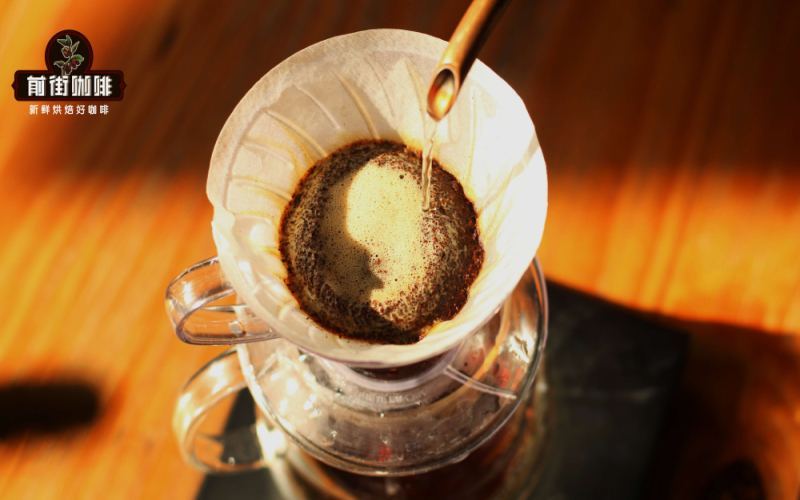
Front Street Coffee Pour-Over Huakui 8.0 Coffee Tutorial: A Detailed Guide to Grind Size, Water Temperature, and Coffee-to-Water Ratio
To brew a delicious Huakui coffee at home, mastering the core parameters is key. Front Street Coffee is often asked how to brew a good cup of coffee. In fact, aside from human factors, the four major elements that determine coffee flavor are dose, grind size, water temperature, and coffee-to-water ratio. This article uses Front Street Sidamo Huakui 8.0 as an example to explain in detail the pour-over parameter settings and the three-stage pouring technique, from 15g of coffee, a 1:15 coffee-to-water ratio, and 91°C water temperature to a grind size with an 80% passing rate, with specific operating instructions for each step. Huakui 8.0 uses the traditional natural process and features rich flavors of honey, berries, guava, jackfruit, and more. It is affordably priced and very suitable for beginners as a practice daily coffee. [more…]
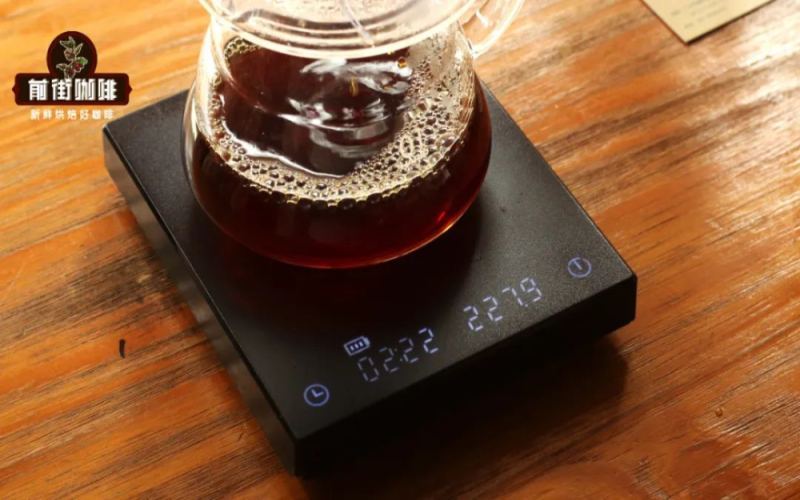
A Complete Guide to Pour-Over Coffee Parameters: Water Temperature, Coffee-to-Water Ratio, Grind Size, and Pouring Techniques with Step-by-Step Illustrations
What variables should you actually control to brew a balanced pour-over coffee? Among the six key factors—water temperature, coffee-to-water ratio, grind size, pouring technique, time, and water quality—the first four have the most direct impact on flavor. This article uses diagrams to break down the logic behind each parameter and how to adjust it, helping you move past the misconception that "a 1°C difference changes the taste," understand why grind uniformity matters more than the setting number, and learn to use a three-pour technique to adapt flexibly to extraction changes. It also offers parameter recommendations for specific beans such as Front Street Coffee Huakui and Front Street Coffee Golden Mandheling, so the theory truly translates into everyday brewing. [more…]
How to Adjust AeroPress Brewing for Dark Roast Beans? A Practical Analysis of Grind Size and Coffee-to-Water Ratio
The AeroPress excels at immersion extraction, and the resulting brew is usually balanced and easy to drink. But when the coffee beans are switched to a medium-dark roast and the goal is to highlight a rich, full-bodied taste, the original parameters often fall short. In this article, Front Street Jamaica Blue Mountain is used as the experimental bean, with water temperature fixed at 85°C, inverted extraction, and total time controlled within two minutes, changing only the grind size (BG 6M, BG 6A, BG 5R) and the coffee-to-water ratio (1:14, 1:13) for comparison. The results showed that: BG 6M had a noticeably brighter, crisper fruit acidity, BG 6A stood out with chocolate and nut notes but had slightly weaker sweetness, while BG 5R delivered the fullest cocoa and caramel sweetness. The final recommendation is to use a medium-fine grind, a 1:13 coffee-to-water ratio, and a short extraction time for dark-roasted beans, in order to achieve a rich and balanced cup performance. [more…]
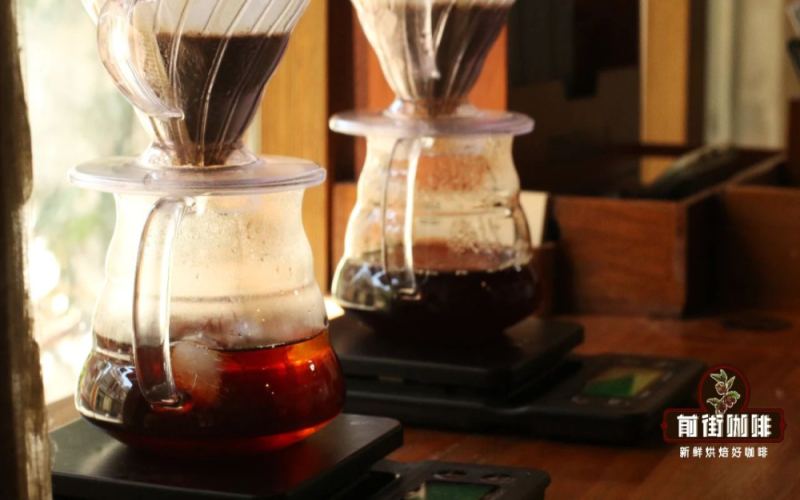
A Complete Beginner's Guide to Pour-Over Coffee: A Practical Analysis of How Coffee-to-Water Ratio, Grind Size, Water Temperature, and Pouring Technique Affect the Flavor of Dark and Light Roasts
The reason pour-over coffee is so fascinating is that every variable can be actively adjusted, thereby changing the final flavor direction. This article starts from Front Street Coffee's brewing experience, systematically sorting out the five core parameters of coffee-to-water ratio, coffee dose, grind size, water temperature, and time, and combines them with three pouring techniques—one-pour, three-stage, and stirring method—using Yirgacheffe Kochere and Golden Mandheling as two examples to separately explain the differences in brewing strategies for light-roast and dark-roast coffee beans. Whether you are a beginner who has just encountered pour-over or an enthusiast hoping to further understand the logic of extraction, this guide can help you establish a clear brewing framework and consistently reproduce a good cup of coffee at home. [more…]
Pour-Over Coffee Beginner's Guide: 10 Key Techniques for Mastering Grind, Water Temperature, Coffee-to-Water Ratio, and Pouring
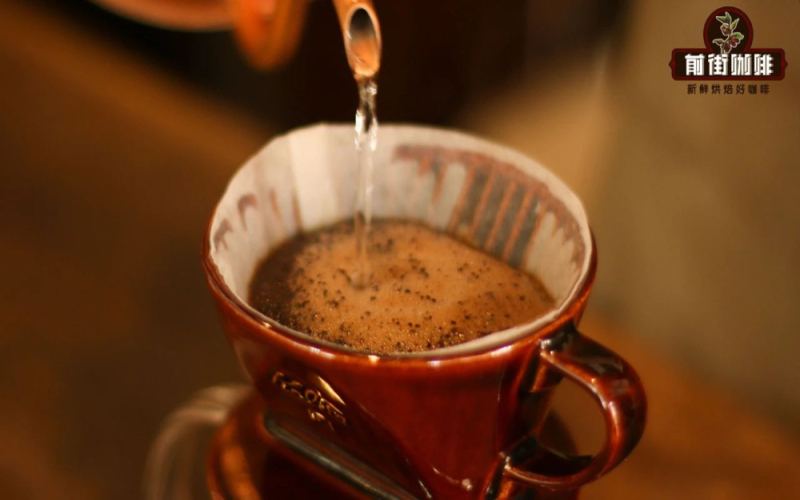
To brew a full-flavored single-origin coffee at home, having good coffee beans alone is not enough. From grind size, water temperature, coffee-to-water ratio to pouring rhythm, every step directly affects the taste in the final cup. In this article, Front Street Coffee systematically sorts out the core knowledge of pour-over coffee, including the flavor characteristics of coffee beans from different regions, the impact of various brewing parameters on extraction results, and the detailed operating steps of the three-stage pouring technique. It also reviews the seven categories of equipment needed for pour-over, and using Ethiopian Yirgacheffe Gutingting coffee beans as an example, shares complete brewing data and flavor performance, helping coffee lovers reliably reproduce a good cup of coffee at home. [more…]
Extraction parameters for brewing Hualgui coffee in a French press: how to set water temperature, coffee-to-water ratio, and grind size for best results
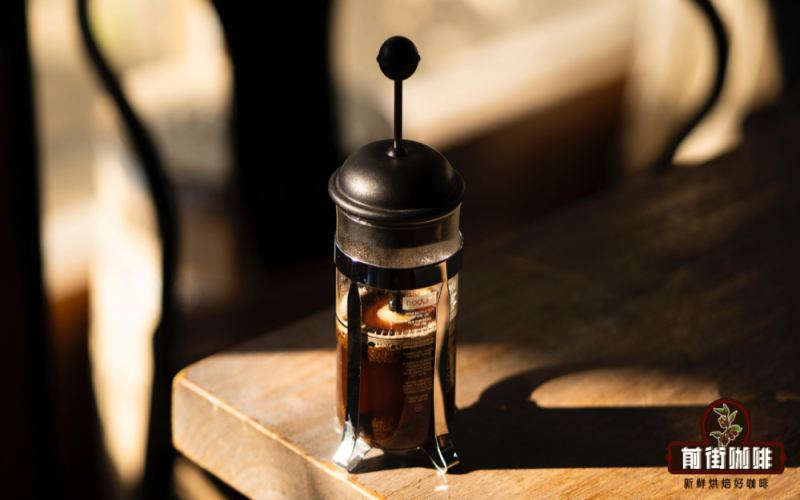
The French press is easy to operate and produces consistent results, making it the preferred device for many coffee enthusiasts brewing at home. However, when brewing Huakui coffee with a French press, improper control of water temperature, coffee-to-water ratio, and grind size can easily lead to bitterness or a weak, bland cup. Drawing on Front Street Coffee's brewing experience, this article first introduces the growing region background and flavor characteristics of Huakui coffee beans, then provides specific parameters and steps for brewing Huakui with a French press, including a water temperature of 90°C, 15 grams of coffee, a 1:15 coffee-to-water ratio, and a grind size with a 70% passing rate through a Chinese standard No. 20 sieve. It also explains why a French press is suited to coarser grinds and how grind size affects extraction results, helping readers reproduce a full-bodied, rich cup of Huakui coffee at home. [more…]
A Complete Analysis of Pour-Over Coffee Parameters: How Water Temperature, Coffee-to-Water Ratio, Grind Size, and Pouring Technique Affect Extraction
Many coffee enthusiasts encounter the same confusion when practicing pour-over: even when they follow the tutorials strictly, the taste comes out very different every time, and whether it is good or not seems to depend entirely on luck. The variables affecting pour-over coffee are indeed numerous—from water temperature, coffee-to-water ratio, and grind size to pouring technique, time, and water quality, each one can influence the final flavor in the cup. Based on Front Street's practical experience, this article will break down these six major elements one by one, helping readers understand which parameters truly determine the taste of coffee, which steps play a key role in extraction, and how to accurately identify the root of the problem when coffee goes wrong and flexibly adjust the brewing plan. [more…]
Mandehling Pour-Over Extraction Plan | What Grind Size for Indonesian Mandehling Coffee Beans? V60 Dripper Pour-Over Golden Mandehling Coffee Brewing Water Temperature, Coffee-to-Water Ratio Parameters Introduction
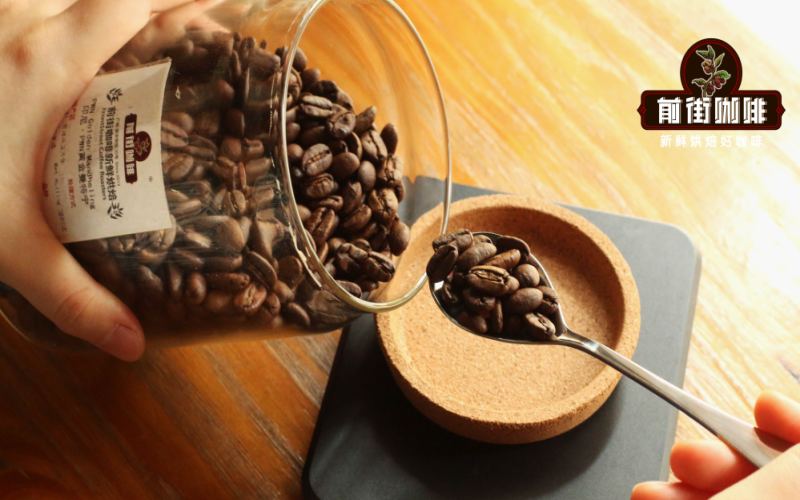
After buying Front Street Coffee's PWN Golden Mandheling coffee beans, a friend asked Front Street, "Why does the taste I brew at home differ from what I drink in the shop? I've already scanned the QR code on the coffee bean packaging and followed your parameters for grinding and brewing. [more…]
How to Determine the Grind Size for Pour-Over Coffee? A Detailed Explanation of the Particle Size Standard and the 80% Pass Rate Through a 0.85mm Sieve
The flavor expression of pour-over coffee depends to a large extent on the grind size setting. If the particles are too coarse, extraction is insufficient and the taste is thin; if too fine, over-extraction easily occurs and bitterness becomes prominent. So what range should pour-over coffee particles actually be controlled within? Different grinders have inconsistent scale standards, so how can this be expressed in a unified way? Starting from the principles of extraction, this article sorts out the mutual influences among coffee-to-water ratio, water temperature, time, and grind size, and introduces the method used by Front Street Coffee of measuring grind pass-through rate with a 0.85 mm standard sieve, giving the basic reference standard of an 80% pass-through rate to help coffee enthusiasts quickly find a suitable grinding baseline when facing different beans and equipment. [more…]
A Complete Breakdown of Pour-Over Coffee Parameters: Water Temperature, Coffee-to-Water Ratio, Grind Size, and Pouring Technique—Which One Determines the Brewed Flavor?
Many friends who are just getting into pour-over coffee run into the same confusion: even when they follow the tutorial exactly, the cup tastes different every time, and whether it's good or not seems to come down to luck. There really are quite a few variables that affect pour-over coffee—among the six key elements of water temperature, coffee-to-water ratio, grind size, pouring technique, time, and water quality, which one actually plays the decisive role in the final flavor? Drawing on our daily production experience and experimental observations, Front Street breaks down the real impact of each of these parameters one by one, to help everyone clear up their thinking and find the right direction for adjusting the taste of their coffee. [more…]